|
Oct. 10 - Oct. 17, 2004 |
A Most Versatile Dish
Hot or cold, baked or fried, polenta is king of Italian exports
By Rita Simonetta
Originally Published: 2004-09-19
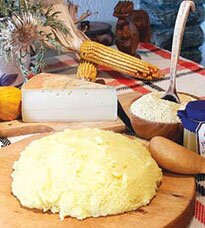
Polenta. Like risotto, spaghetti, pizza and Madonna, it's one of those Italian-made exports that the world has come to know on a first-name basis. Polenta, which is based on yellow cornmeal, is one of those Italian delicacies that got its start thanks to Italian ingenuity and resourcefulness.
Thousands of years ago, polenta went by a very different set of ingredients. It was made by mixing water with kernels of wild grasses to form a crude paste. This paste was then toasted and dropped on a hot stone.
Later, polenta became pulmentum, which was the main dish of Roman soldiers' diet. Romans made polenta from a primitive form of wheat, which became a favourite dish of both the poor and wealthy throughout the Ancient city-states. This "poor-man's food" is a reputation that stayed with it for hundreds of years.
Polenta, which is nowadays made from cornmeal, became common in the late 1400s. When corn was introduced to Italy, it was grown primarily in the north, where there is ample rainfall. In no time at all, it caught on in northern Italian regions like Veneto and Friuli, where it became a mainstay.
And soon, the Italians, the world's greatest cooks, figured out an endless amount of ways to make this lowly yellow cornmeal palatable the world over. Polenta can be served soft or hard, warm or cold. It's great as a leftover and just as good, in fact, the next day. Because it is essentially bland without any extras added on, it is a good starting point for a variety of seasonings. Cheeses, veggies, sauces, herbs and spices are all welcome fare. Indeed, there's no dish that quite does versatility as polenta does. Polenta can be boiled, fried, grilled, baked, toasted, or roasted.
So how do you make this legendary dish? Well, for starters, the more coarsely ground cornmeal is preferred over the more finely ground flour, since it gives a stronger texture.
Polenta aficionados use a paiolo pot, made of copper without a tin lining. Stirring is done only with a wooden paddle. For the rest of us, an ordinary pot will do the trick. What's the best liquid to use? Some recipes recommend water, milk or stock, but most of the recipes out there only require water. For best results, use spring water. It is also essential to stir continuously in order to avoid lumps, especially if you are cooking a large pot for several guests.
Page 1/...Page 2
|
| Home / Back to Top |
|
|
 |
|
|



























 </ td>